
A construction operations diagnostic
How we helped a construction company track site progress without chasing updates
The construction company managed maintenance and infrastructure work across multiple institutions, including colleges.
The reporting hierarchy was clear. But reviewing work across locations depended on contacting the people involved and piecing together their updates.
- Industry
- Construction · Multi-site maintenance
- Featuring
- Task queues · Daily site logs
- Outcome
- Visible progress
- Client name
- Kept confidential
- 2-3 daysPreviously needed to get a basic status answer
- DailySite logs with photos and labour count
Situation
A basic status answer could take two to three days.
Coordinators organised assignments, while supervisors oversaw work at the sites. Tasks, updates, quotes, and invoices were exchanged through messaging apps and personal chats.
When a resident raised a maintenance issue directly with the owner, he could not give an immediate status update. He contacted the coordinator, who reached out to the supervisor, who then checked with the worker on the ground.
The same gap affected everyday task tracking. Coordinators needed to know which jobs were pending, whether work had started, and what was holding up completion. Assignments and deadlines were communicated, but there was no consistent record showing how the work was progressing. Site updates, photographs, quotes, and invoices remained scattered across conversations.
Why it mattered
The owner was expected to respond to an issue, but first had to collect information through several people. For coordinators, reviewing assigned work meant another round of follow-ups. A deadline showed when a task was due, but did not explain what had happened at the site or why progress had stopped.
Without a clear record, a task waiting to start and a task blocked by a problem could both appear simply unfinished. Management had to establish the status before deciding what action was needed.
A deadline showed when a task was due - not what had happened at the site or why progress had stopped.
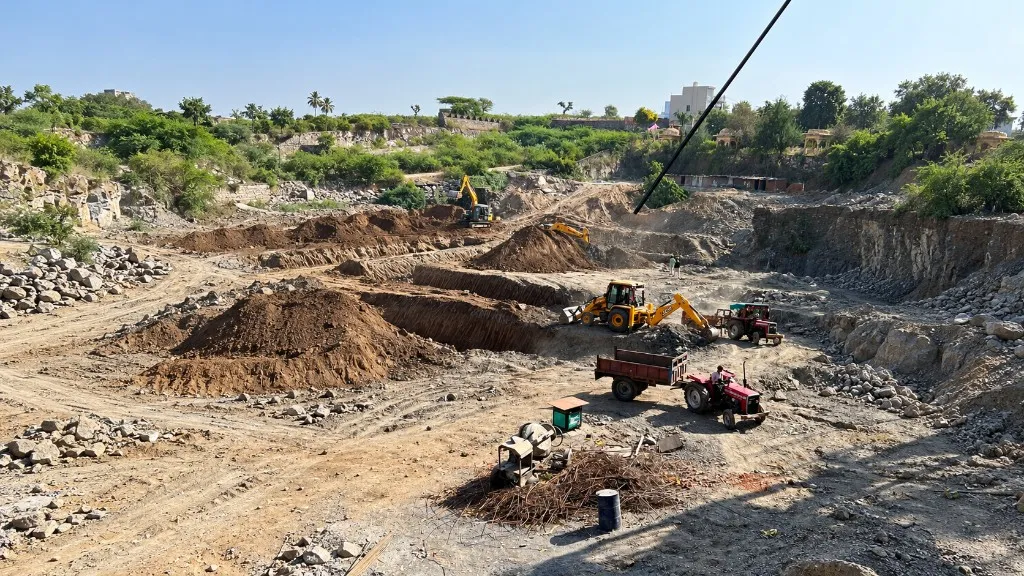 Work was moving on the ground, but the status lived in phone calls and personal chats.
Solution
Task assignments connected to daily site reporting.
We built a project tracking system around the company’s existing hierarchy, connecting task assignments with daily site reporting.
Coordinators assign tasks with start dates and deadlines. Supervisors receive their own task queues, with access defined by their roles. Supervisors cannot assign tasks to one another.
For active work, supervisors must submit daily logs with site photographs and the number of labourers working that day. This brings the progress update, visual record, and workforce count into the same task history.
- Role-based task queues - coordinators assign, supervisors execute and report.
- Daily logs - site photographs and labour count recorded against each active task.
- Flagged blockers - a defined way to raise what is preventing progress to management.
- Internal chat - quotes and invoices brought into the application.
The company already had a structure for assigning responsibility. What it needed was a process that made progress visible within that structure.
Results
Site reporting became part of managing the work.
Assignments, deadlines, daily site updates, workforce counts, and flagged blockers now have a shared place in the workflow.
Supervisors have a clear process for recording progress. Coordinators can review the work they have assigned. The owner can consult recorded updates without first passing every status question through the reporting chain.
The change is in how information becomes available: site reporting is part of managing the work, rather than something assembled only when someone asks.
For a construction business owner, delegation becomes easier to review when the task, the latest update, and the reason for a delay are connected.
What changed
- Task assignment
- Coordinators assign tasks with start dates and deadlines inside the existing hierarchy
- Daily site logs
- Progress, site photographs, and labour count recorded in the same task history
- Flagged blockers
- A defined way for the site team to explain what is preventing progress
- Quotes & invoices
- Exchanged through an internal chat instead of personal messaging apps
- Owner visibility
- Recorded updates available without passing every question through the reporting chain