
An FMCG manufacturing diagnostic
How we helped an FMCG manufacturer make better decisions using existing ERP data
One of the large FMCG manufacturing companies we worked with had been using ERP software for years. Their stock records, product information, and sales transactions were already being recorded in the system.
But having the information and being able to use it were two different things.
- Industry
- FMCG · Manufacturing
- Featuring
- ERP data · SKU, route & shop insights
- Outcome
- Data to decisions
- Client name
- Kept confidential
- 0ERP replacements needed
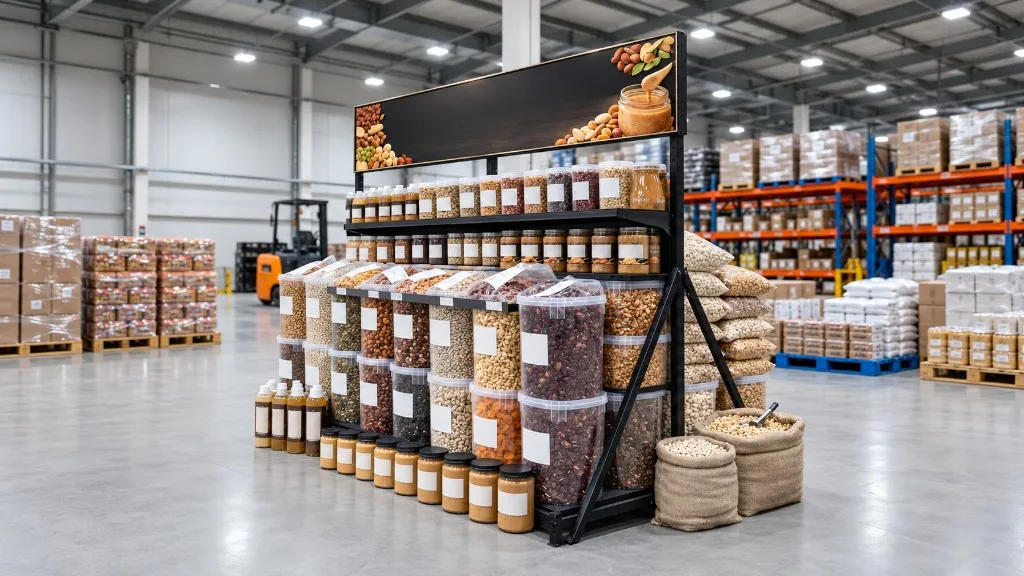

Situation
The ERP had the data. The owner didn’t have the clarity.
As the business operated across different products, shops, and sales routes, understanding product performance became increasingly difficult. The owner had some important questions: Which product sells the most? Which shops are buying more? What products are moving faster on each route? And which products should we manufacture more of?
The owner couldn’t easily see which SKUs were selling more, how individual products performed across routes, or which shops purchased particular products. Much of this understanding depended on experience, memory, or going through information in the ERP. For a business operating at that scale, keeping track of every product and its movement wasn’t practical.
The problem wasn’t missing data. It was the difficulty of turning existing data into a clear picture of the business.
Not knowing what to produce more of
When an owner cannot clearly identify the best-selling products, deciding production quantities becomes difficult. Some products may have stronger demand in certain routes. Some shops may purchase particular SKUs more frequently than others.
The company was losing money because important stock and sales information wasn’t easily available for decision-making. The ERP continued recording business activities, yet the owner couldn’t easily use that information to guide manufacturing and sales strategy.
The need wasn’t for more information. It was to make the existing information easier to understand and act upon.
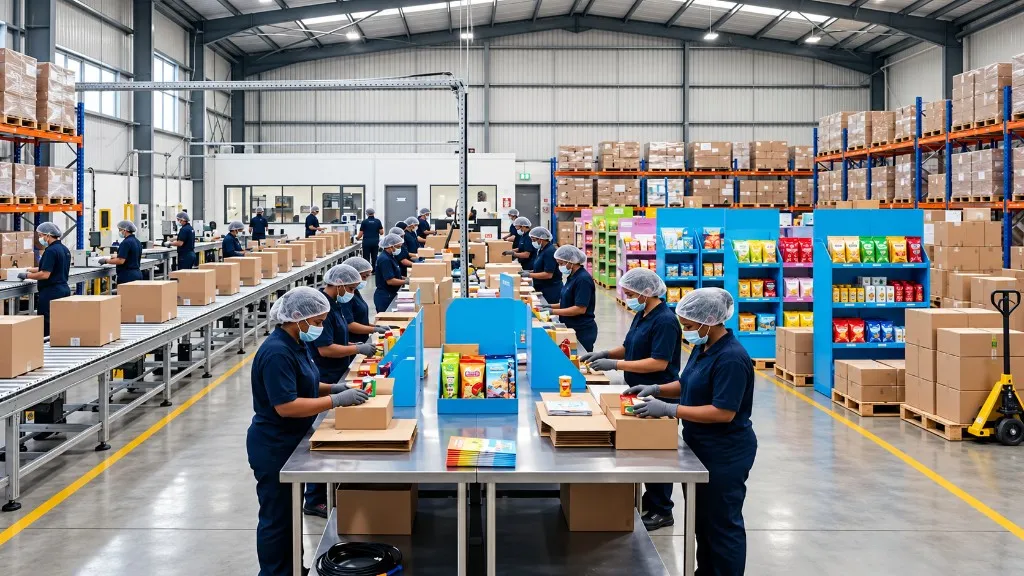 Years of transactions were recorded - but the patterns behind them were hard to see.
Solution
Making the existing ERP data useful.
The company didn’t need to start again with another ERP. It needed better visibility into the information it had already collected.
At Emilda & Co, we built a system that extracts the relevant stock and sales data from the company’s existing ERP and presents it in a more focused, understandable way. Instead of the owner having to search through complex ERP information, the system brings the important details together.
- SKU-wise visibility - identify best-selling products and understand how individual SKUs are performing.
- Route-wise sales visibility - understand which products sell better across different sales routes.
- Shop-wise purchase visibility - identify which shops are buying more and which products they purchase.
- Stock and product insights - use existing stock and sales information to understand product movement and support manufacturing decisions.
We didn’t replace the system they had been using for years. We made its information more accessible to the person responsible for making decisions.

Results
From data to decisions.
Today, the owner has a clearer view of how products are performing across the business. They can identify which SKUs are selling more, understand demand across routes, and see which shops are purchasing particular products.
When a product shows stronger sales, the owner can consider increasing its production. When demand differs between routes, they can review where their sales efforts should be focused. These decisions no longer have to depend only on memory or manually interpreting large amounts of ERP information.
The biggest change is not how much data the company has. It’s what the owner can now understand from it.
Final thought: You cannot control what you cannot see
A business can invest in powerful software, record years of transactions, and collect enormous amounts of data. But if the owner cannot clearly see what is happening, that information has limited value in decision-making. Visibility is what connects information to action.
What you cannot see, you cannot control. And what you can see, you can begin to improve.
What changed
- SKU-wise visibility
- Best-selling products identified and individual SKU performance understood
- Route-wise sales
- Clearer view of which products sell better across different sales routes
- Shop-wise purchases
- Which shops are buying more, and which products they purchase
- Production decisions
- A better basis for manufacturing, stock planning, and sales strategy
- Existing ERP
- No replacement needed - years of recorded data made accessible